
2026 Baseball Betting Strategy: ROI Models & Systems
 Available in US
There’s a reason most baseball bettors lose money consistently while a small percentage win year after year. It’s not luck. It’s not insider information. It’s not some secret system they bought from a tout service. The difference comes down to having actual strategy versus just betting on feelings and half-baked hunches.
Strategy in baseball betting means having a systematic approach to finding value, managing your money, and making decisions based on data rather than emotion. It means understanding not just what to bet, but when to bet it, how much to risk, and why you’re betting it in the first place. Most importantly, it means accepting that you’re playing a long game measured in hundreds of bets across months, not in the result of tonight’s Yankees game.
The professional bettors the ones who actually make money doing this approach baseball betting like a business. They have processes for evaluating games, strict rules for bankroll management, detailed records of every bet they make, and the discipline to follow their system even when it’s not working in the short term. They’re not smarter than you. They’re just more systematic.
This guide breaks down the advanced strategies that separate winners from losers in baseball betting. We’ll cover bankroll management that actually works, statistical analysis that matters, finding value in underdogs, reading line movement, understanding situational spots, and building betting systems that hold up over time. By the end, you’ll understand not just what good bettors do, but why they do it and how you can implement the same approaches.
Advanced Capital Protection Models for 2026
Every winning bettor will tell you the same thing: bankroll management matters more than picking winners. You can have a sixty percent win rate and still go broke if you’re betting recklessly. Conversely, you can have a sub-fifty percent win rate and make money if you’re managing your bankroll properly and betting plus-money underdogs.
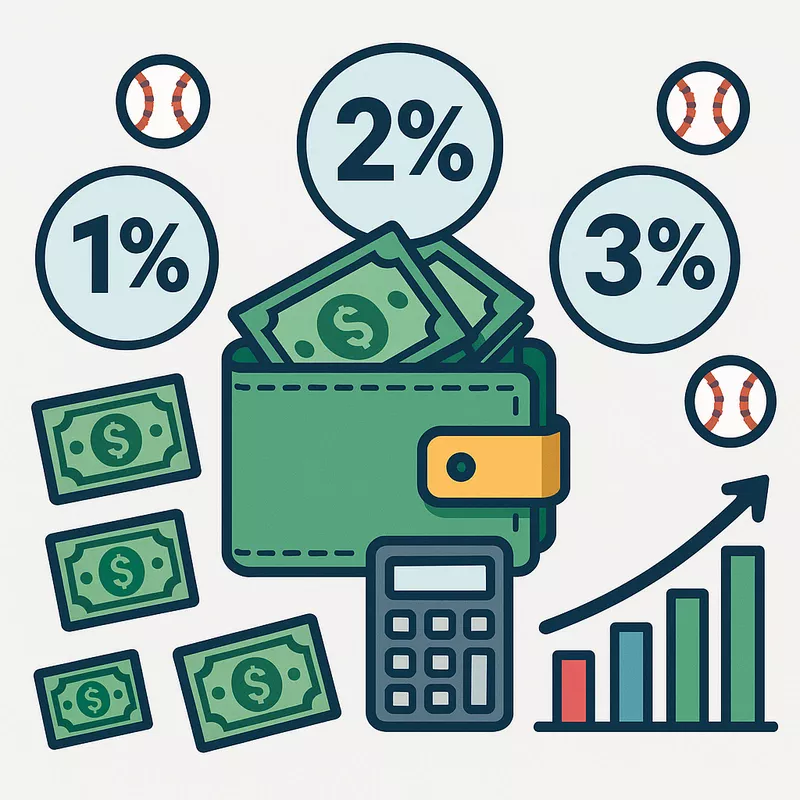
The standard rule is betting one to three percent of your total bankroll per game. This isn’t a suggestion it’s a requirement for long-term survival. If you’ve got two thousand dollars set aside for baseball betting, you’re betting twenty to sixty dollars per game. Not a hundred. Not two hundred. Twenty to sixty.
Why such small percentages? Because even great bettors lose forty to forty-five percent of their bets. Baseball has enormous variance. The best team in baseball loses sixty games. The worst team wins sixty games. Upsets happen constantly. If you’re betting five or ten percent of your bankroll per game, a completely normal losing streak of seven or eight games devastates your account.
At one to three percent, you can weather losing streaks that would bankrupt reckless bettors. Lose ten straight bets at three percent each? You’re down thirty percent of your bankroll. That’s recoverable. Lose ten straight at ten percent each? You’re broke. You can’t come back from zero.
Flat betting versus variable betting is the next decision. Flat betting means wagering the same amount on every bet regardless of how confident you feel. Variable betting means betting more on games where you’re highly confident and less on games where you’re less certain.
Most professional bettors use flat betting because confidence is deceptive. The games you’re most confident about will burn you just as often as the games you’re uncertain about. Humans are terrible at calibrating confidence levels. We think we’re ninety percent sure and we’re actually sixty percent sure. Flat betting removes this psychological trap.
The one exception is if you’ve tracked your bets extensively and discovered that games meeting specific criteria genuinely perform better than your average bet. Maybe you’ve found that your underdog bets in divisional matchups win fifty-eight percent of the time while your overall win rate is fifty-two percent. In that case, betting slightly more on those specific spots makes mathematical sense. But this should be based on hundreds of tracked bets, not gut feelings.
Adjusting unit size as your bankroll changes is crucial. If you start with two thousand and build it to three thousand, your one percent unit increases from twenty to thirty dollars. You’re scaling your bets with your success. If you drop to fifteen hundred, your unit decreases to fifteen dollars. This prevents the death spiral where you keep betting the same amounts while your bankroll shrinks.
Recalculate your unit size weekly or monthly. Never let your bet size become disconnected from your actual bankroll. And never, ever bet more than three percent on a single game no matter how certain you are. Certainty is an illusion in baseball betting.
Statistical Analysis: What Actually Matters
Baseball generates more data than any other sport. The challenge isn’t finding statistics it’s knowing which ones actually predict future outcomes and which ones are noise.
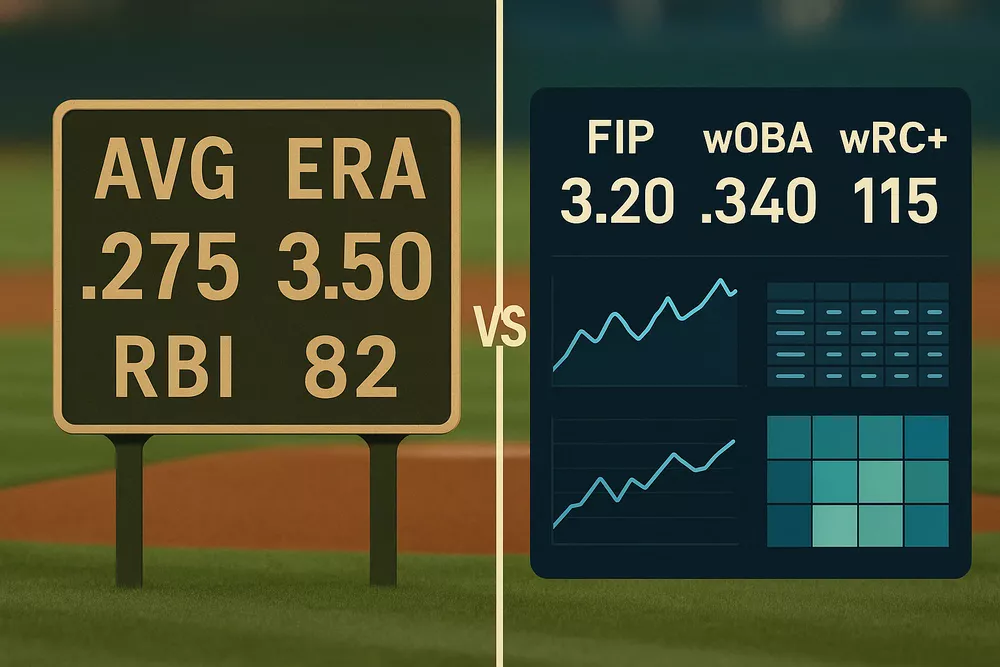
Traditional stats like batting average and ERA are descriptive, not predictive. They tell you what happened, not what will happen. A pitcher with a 3.50 ERA might have gotten lucky or unlucky. He might have benefited from great defense or suffered from terrible defense. ERA doesn’t tell you which.
This is where advanced metrics become critical. FIP Fielding Independent Pitching strips away defensive variance and focuses purely on strikeouts, walks, and home runs. These are outcomes the pitcher controls completely. A pitcher with a 3.20 ERA but a 4.10 FIP has been lucky. He’s allowed fewer runs than his actual performance suggests. Expect regression. Betting against him offers value.
The opposite scenario high ERA, low FIP suggests a pitcher who’s been unlucky. He’s pitched better than his results indicate. The line might price him based on his ERA, which creates value betting on him. The market eventually corrects these discrepancies, but there’s often a window where the odds don’t reflect reality.
For hitters, wOBA and wRC+ are better predictors than batting average. Weighted on-base average accounts for the actual value of different hit types. A home run is worth far more than a single, and wOBA reflects that. Weighted runs created plus adjusts for league and park factors, letting you compare a Colorado Rockies hitter to a San Francisco Giants hitter fairly.
These stats are freely available on FanGraphs and Baseball Savant. Spending ten minutes checking advanced metrics before betting gives you information most casual bettors don’t have. They’re looking at batting averages and ERAs. You’re looking at FIP, xFIP, wOBA, and wRC+. That information gap is your edge.
Platoon splits reveal matchup advantages that aren’t obvious from overall stats. A hitter might have a .280 batting average overall but .320 against left-handed pitching and .240 against righties. If he’s facing a lefty tonight, his true talent level is much higher than his overall average suggests.
The same applies to pitchers. Some guys dominate same-handed batters but get crushed by opposite-handed batters. If tonight’s opposing lineup is stacked with batters who have the platoon advantage, the pitcher’s overall numbers are misleading. Check the actual lineup not the team’s general roster and compare it to the pitcher’s splits.
Bullpen quality matters for full-game bets but not first five innings. If you’re betting full games, you need to know each team’s bullpen ERA, recent workload, and which high-leverage relievers are available. A team with an elite closer but a shaky setup man creates different dynamics than a team with consistent depth throughout the bullpen.
For first five innings betting, bullpen quality is irrelevant. Focus entirely on starting pitchers. This is why many sharp bettors prefer F5 betting it lets them ignore the bullpen variable entirely and focus on what they can actually predict.
The Underdog Advantage: Where Value Lives
Baseball has more profitable underdog betting opportunities than any other major sport. The reason is mathematical: favorites don’t win often enough to justify the prices they’re priced at.
In the NFL, favorites win about seventy percent of games. In the NBA, it’s around sixty-five percent. In MLB, favorites win only about fifty-eight to sixty percent. This small difference has massive implications for betting strategy.
When you bet a minus-180 favorite, you need to win 64.3 percent of your bets just to break even. But MLB favorites at that price range don’t win sixty-four percent of the time. They win closer to fifty-eight or sixty percent. You’re paying for a win probability that doesn’t exist.
Meanwhile, underdogs at plus-150 only need to win about forty percent of the time to show profit. In baseball, that’s completely achievable. You can lose more than half your bets and still make money if you’re consistently taking plus-money underdogs at fair prices.
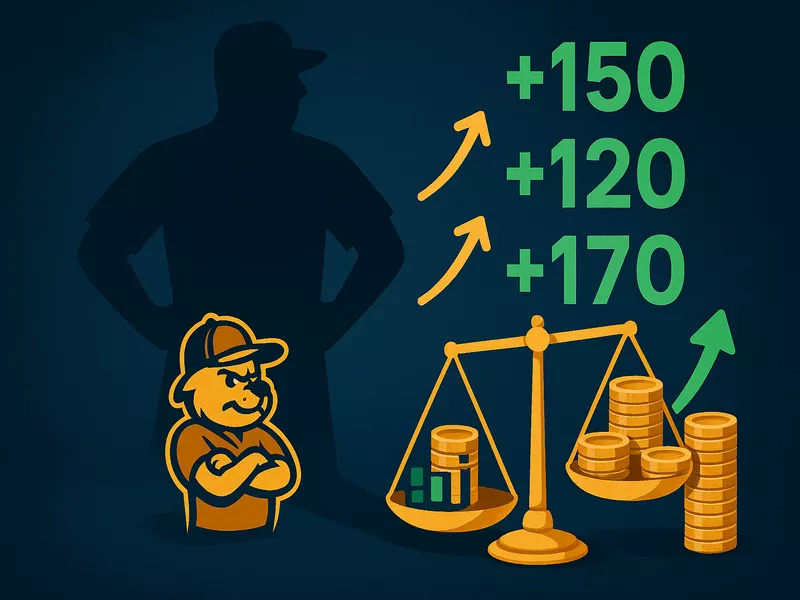
The sweet spot for underdog betting is plus-120 to plus-170. These are teams that have genuine chances to win maybe thirty-five to forty-five percent actual win probability but are priced as bigger longshots than they should be. You’re not betting bottom-feeders against aces. You’re finding competent teams in spots where the public has overvalued the favorite.
Public betting patterns create this value. Casual bettors love favorites and popular teams. When seventy percent of public money hammers the Yankees, the sportsbook has no incentive to move the line further toward the Yankees. They’re already getting lopsided action. This inflates the underdog’s odds beyond what the matchup actually suggests.
Divisional underdogs deserve special attention. Teams play their division rivals nineteen times per season. Familiarity breeds parity. A team that’s ten games under .500 can absolutely beat a division leader they’ve faced twelve times already this year. The talent gap exists, but the information gap has closed.
Historical data supports this. Divisional underdogs of plus-130 to plus-170 show consistent long-term profitability. The lines don’t fully account for familiarity and rivalry intensity. Track divisional matchups specifically and you’ll find value that doesn’t exist in non-divisional games.
Avoid heavy favorites beyond minus-180 or minus-200 unless you have overwhelmingly strong reasons to believe they cover that price. The math simply doesn’t work. You’re paying premium prices for win probabilities that rarely materialize consistently enough to show profit.
Line Movement and Market Intelligence
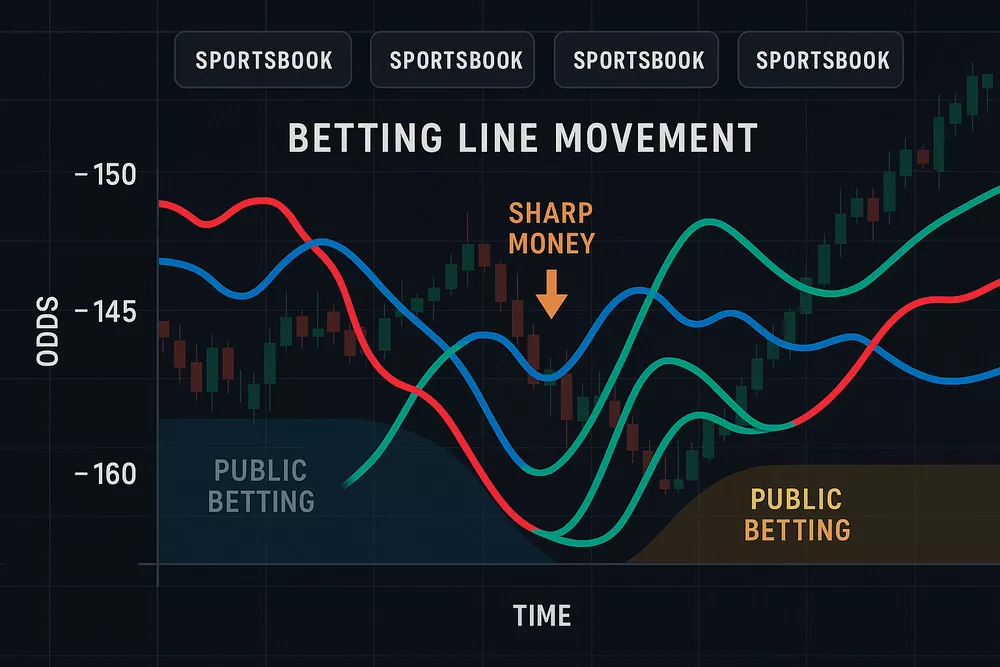
Understanding why betting lines move and what those movements signal separates sharp bettors from recreational ones. The line isn’t trying to predict the game’s outcome it’s trying to balance action and manage the sportsbook’s exposure.
Reverse line movement is the clearest signal of sharp action. This happens when the line moves away from the side getting more public bets. If seventy-five percent of tickets are on the Yankees and the line moves from Yankees minus-150 to minus-145, that’s reverse movement. The sportsbook is moving the line to encourage more Yankees action despite already being lopsided.
Why would they do this? Because respected money sharp bettors with proven track records is hitting the opposite side hard enough that the sportsbook wants to balance exposure. They’d rather take more public money on the overvalued favorite than be exposed to the sharp side.
You can’t see actual sharp action directly, but reverse line movement shows you where it landed. Following this signal won’t make you a sharp bettor overnight, but it prevents you from betting into terrible numbers on overvalued favorites.
Steam moves happen when sharp action hits multiple sportsbooks simultaneously. The line might move from minus-150 to minus-165 in minutes across DraftKings, FanDuel, and BetMGM. This indicates that a large, respected bet landed and other sportsbooks adjusted to protect themselves.
By the time you see a steam move, the line has already moved. You can’t bet the original number anymore. But knowing steam moves exist helps you understand market dynamics. If you were planning to bet a side and it steams against you, maybe you reconsider. The sharp money disagrees with your analysis.
Line shopping before every bet is non-negotiable. Different sportsbooks set different lines. One book might have Yankees minus-155 while another has minus-150. Over time, consistently getting five cents better value adds up to hundreds or thousands of dollars.
This requires having accounts at multiple sportsbooks and checking odds before placing each bet. It’s tedious. It feels like work. That’s exactly why recreational bettors don’t do it and why sharp bettors do. The edge isn’t in one bet it’s in getting slightly better numbers on two hundred bets across a season.
Always use the best baseball betting sites to ensure you are getting the highest market prices for your plays.
Timing your bets matters but there’s no universal rule. Some sharp bettors bet Sunday night when lines open, trying to beat other sharp action. Others wait until an hour before game time to incorporate lineup confirmations and late-breaking information. Neither approach is inherently better it depends on your information sources and edge.
What you shouldn’t do is bet randomly whenever you remember. Have a system. Either you’re betting early to get favorable numbers before they move, or you’re betting late with maximum information. The middle ground betting Tuesday afternoon for Tuesday night often gets you the worst of both worlds.
Situational Betting: Exploiting Patterns
Baseball’s daily grind creates recurring situations that produce edges for bettors who recognize them. These aren’t guarantees nothing in betting is but they’re patterns that show up consistently enough to be profitable over time.
A key component of any professional system is knowing when to pivot toward baseball betting strategy based on pitcher availability, or focus directly on moneyline betting when the matchup is clear.
Travel and rest days impact performance measurably. A team that played on the East Coast last night, flew to the West Coast overnight, and has a day game today is exhausted. The stats confirm this teams in this scenario perform worse than their normal level. The betting line might not fully account for the fatigue, especially if it’s the favorite.
Look for these spots in the schedule. A team playing their fourth game in four cities over five days is not the same team as a well-rested squad at home. The talent difference shown in season-long stats doesn’t reflect today’s reality.
Day games after night games create underdog value, especially on getaway days before road trips. The favorite might be looking ahead or resting key players. The underdog has nothing to lose and might actually be more motivated. These games frequently end closer than expected.
Series positioning creates patterns. Teams rarely get swept. After losing the first two games of a three-game series, a team facing elimination in game three often plays with increased urgency. The line might not reflect this desperation, especially if they’re already underdogs. Game three of series with the visiting team down two games to zero has shown historical value on the underdog.
Post-trade-deadline adjustments in late July and August create temporary market inefficiencies. Teams either go all-in for playoff runs or sell off talent to rebuild. The betting markets take a week or two to adjust to these roster changes. A team that just added an ace starter and a productive bat is suddenly better than their odds suggest. A team that traded away three regulars is worse.
Track the trade deadline and look for situations where the market hasn’t caught up to roster reality. The opportunity exists for maybe two weeks before the lines correctly price the new talent levels.
September call-ups change team dynamics in ways that aren’t immediately priced into betting lines. Young players getting at-bats create uncertainty. Sometimes this helps teams by injecting energy. Sometimes it hurts by disrupting chemistry. The lines often don’t adjust quickly enough.
Building a Betting System That Works
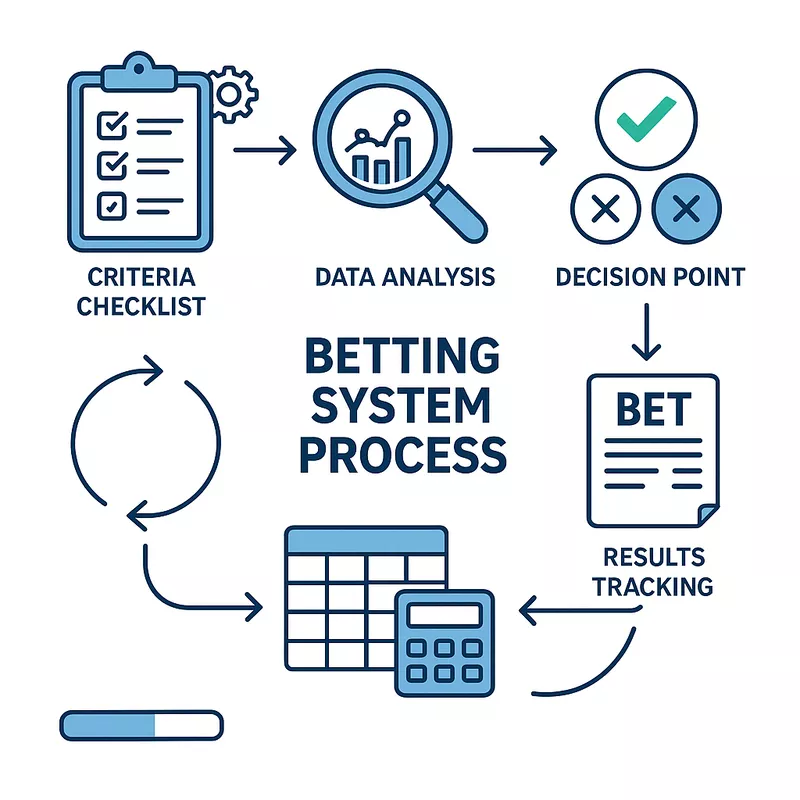
Random betting based on daily analysis is fine for entertainment, but it’s not a strategy for making money. You need a system a repeatable process that you follow consistently regardless of short-term results.
Start by identifying your edge. What aspect of baseball betting do you understand better than the market? Maybe you’re excellent at evaluating starting pitcher matchups. Maybe you’ve found that certain situational spots consistently offer value. Maybe you’ve built models that identify mispriced totals.
Whatever your edge is, focus there. Don’t try to bet every game. Don’t force action. Wait for spots where your analysis suggests the line is wrong. If your edge is starting pitcher analysis, only bet games where you have strong conviction about the pitching matchup. Skip everything else.
Create explicit criteria for what constitutes a bet. This might be: “I bet underdogs between plus-120 and plus-170 when the starting pitcher matchup favors the underdog and the favorite is receiving more than sixty percent of public bets.” Having clear criteria prevents you from retroactively justifying bets based on results.
If the game meets your criteria, you bet. If it doesn’t, you pass. No exceptions for hunches or feelings. The system is the system. Following it during losing streaks is how you survive variance. Abandoning it during losing streaks is how you guarantee long-term failure.
Track every single bet in detail. Date, teams, bet type, odds, result, profit or loss. After one hundred bets, analyze your results. What’s working? What’s not? Are you profitable on favorites but losing on underdogs? Do your F5 bets outperform full-game bets? This data reveals your actual edge versus your perceived edge.
Most bettors think they’re good at things they’re actually terrible at. The only way to know is tracking results objectively. If your underdog bets are losing money over one hundred bets, maybe underdogs aren’t your edge. If your totals bets are crushing, maybe that’s where you should focus.
Refine your system based on results but don’t overreact to small samples. One hundred bets is starting to be meaningful. Fifty bets is still mostly noise. Don’t rebuild your entire approach based on a bad month. But if you’ve got three hundred bets tracked and a clear pattern emerges, adjust accordingly.
Avoiding Cognitive Biases That Destroy Bettors
Baseball betting isn’t just about analyzing games it’s about avoiding the psychological traps that sabotage otherwise smart analysis.
Confirmation bias makes you see what you want to see. You decide the Yankees should win tonight. Then you selectively notice all the stats that support this conclusion while ignoring stats that contradict it. You’re not analyzing objectively you’re justifying a predetermined conclusion.
Fight this by forcing yourself to argue both sides before betting. Why should the Yankees win? Write it down. Why should the opponent win? Write that down too. If you can’t construct a decent case for the other side, your analysis is probably biased.
Recency bias overweights recent events at the expense of larger samples. A pitcher throws a complete game shutout and suddenly everyone thinks he’s unhittable. But he’s got a 4.20 ERA on the season. One great start doesn’t erase twenty mediocre ones. The line might overreact to the recent performance, creating value on the other side.
The opposite happens too. A great pitcher has one bad start and gets written off. The line moves against him based on one game when his season-long performance suggests it was an outlier. Recency bias creates market inefficiencies when you’re willing to trust larger samples.
Loss aversion makes losing feel worse than winning feels good. This causes bettors to take bad risks to avoid losses. You’re down two bets tonight, so you fire a third bet on a marginal game trying to get even. That third bet probably shouldn’t have been made, but the psychological pain of a losing night drove you to bet anyway.
Accepting losses is part of the process. Even great bettors lose forty-five percent of their bets. You will have losing days, losing weeks, occasionally losing months. If you can’t handle that psychologically, you’ll make terrible decisions trying to force winning results.
The gambler’s fallacy believes that past results affect future probabilities. You’ve lost five bets in a row, so you think you’re “due” for a win. But each bet is independent. The Yankees don’t care that you’ve lost your last five bets. Probability doesn’t have memory.
This fallacy causes bettors to chase losses by betting more after losing streaks, thinking a win is coming. The opposite happens after winning streaks bettors get overconfident and bet recklessly, thinking they’ve got a hot hand. Neither is real. Past results don’t predict future results in independent events.
Advanced Bankroll Techniques
Once you’ve mastered basic bankroll management, more sophisticated approaches can optimize your betting strategy.
The Kelly Criterion calculates optimal bet size based on your edge and the odds. The formula is: (edge × odds – 1) / (odds – 1) = percentage of bankroll to bet. If you have a five percent edge on a plus-150 bet, Kelly suggests betting about 2.3 percent of your bankroll.
Full Kelly is aggressive and creates significant volatility. Most professional bettors use fractional Kelly betting half or quarter Kelly to reduce variance while still scaling bets based on edge size. This is advanced territory that requires confidence in your ability to accurately assess edge, which most bettors overestimate.
Unit tracking beyond just dollars helps you evaluate performance independent of bankroll size. If you start with a one hundred dollar unit and end the season up fifty units, you’ve made five thousand regardless of whether your bankroll grew from two thousand to seven thousand or ten thousand to fifteen thousand. Unit profit is the universal language of betting success.
Separating gambling bankroll from life finances is mandatory. The money you’re betting should be money you can afford to lose completely. If losing your bankroll would affect your ability to pay rent or buy groceries, you’re not betting with a proper bankroll you’re gambling with life necessities. That creates desperation, which destroys decision-making.
The gambling bankroll should feel like entertainment money, not survival money. When you lose a bet, it should sting a little but not create financial stress. If you’re stressed about individual bet results beyond competitive disappointment, your stakes are too high.
Baseball betting strategy isn’t one thing it’s a combination of disciplined bankroll management, analytical skill, psychological control, and systematic decision-making. The bettors who win long-term excel in all these areas, not just one or two.
You don’t need to be a math genius or have insider information. You need to manage your money properly so variance doesn’t kill you. You need to use statistics that actually predict outcomes. You need to focus on situations where you have genuine edges. You need to control your emotions and avoid cognitive biases. And you need the discipline to follow your system even when it’s not working in the short term.
Most bettors fail not because they’re unlucky or stupid, but because they violate these principles consistently. They bet too much per game. They use meaningless stats. They chase losses. They bet on feelings. They abandon their approach after a bad week.
The small percentage who win don’t have secret systems. They have discipline, systematic approaches, proper bankroll management, and realistic expectations about variance and edge. They understand that beating baseball betting is a marathon measured in thousands of bets across multiple seasons, not a sprint measured in tonight’s results.
Build your system. Follow it religiously. Track everything. Adjust based on data, not emotions. Manage your money like your betting life depends on it, because it does. That’s how recreational bettors become winning bettors. Not through luck or secrets, but through treating baseball betting like the business it needs to be if you want to succeed long-term.
